In Search of Uji's Century-Old Green Tea Terroir
"The true essence of matcha lies not in haste, but in the exact temperature of spring water and the quiet focus of the artisan."
The Shaded Fields of the Uji River Basin
Just south of Kyoto, where morning mists roll off the gentle curves of the Uji River, lie terraced fields that have cultivated Camellia sinensis since the Kamakura period. Here, the technique of ooishita (shading the tea bushes with straw and reed canopies for twenty days prior to harvest) concentrates amino acids and chlorophyll, creating the intense umami profile characteristic of premium Gyokuro and ceremonial Tencha.
Visiting these family-operated plantations feels like entering a living museum where generations of agricultural patience persist untouched by industrial scale.
The Ceramic Ritual of Preparation
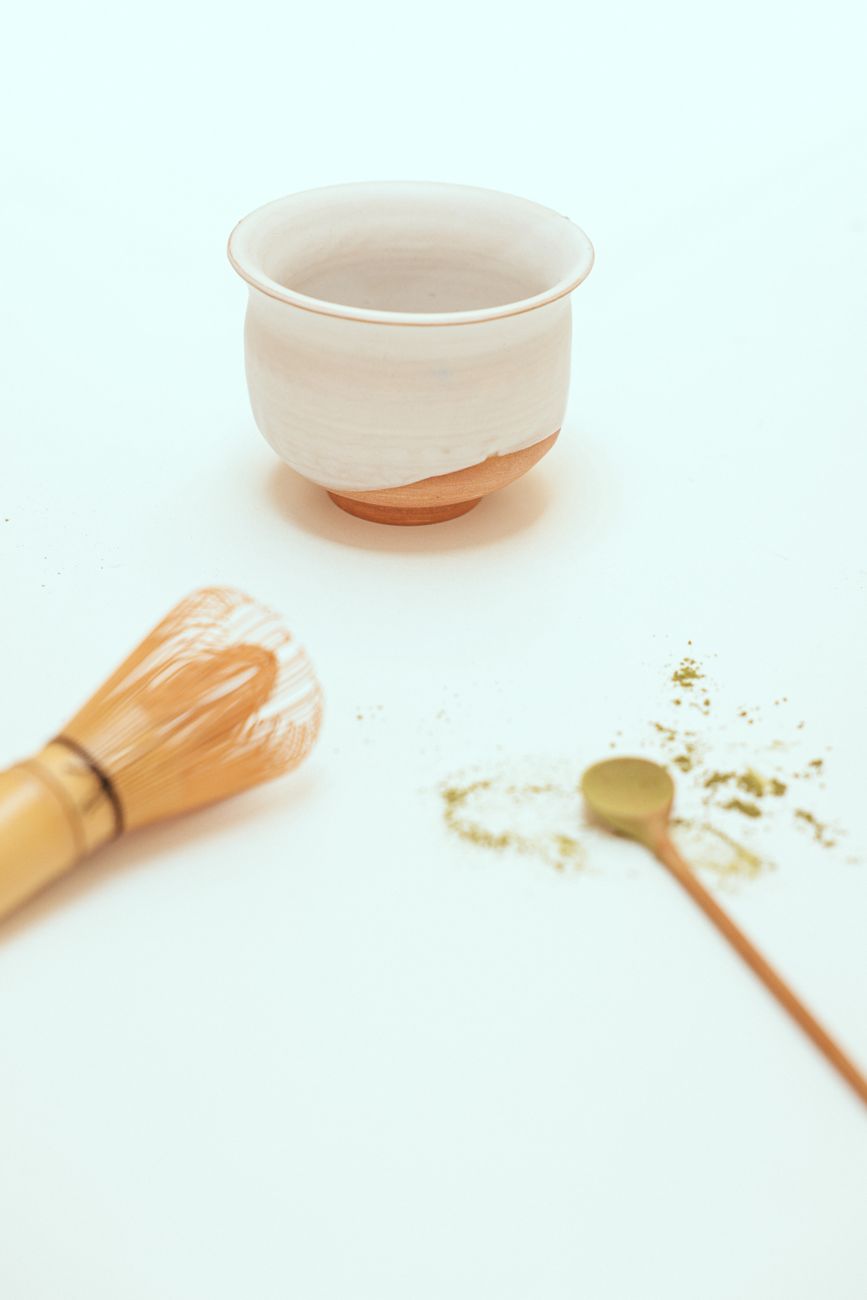
In the tea sanctum of Master Morita, the preparation is an act of total presence. Using a chawan fired in the nearby Shigaraki kilns and a bamboo chasen carved from seasoned cane, water at exactly seventy degrees Celsius is introduced to vivid green powder.
The resulting broth offers no astringency—only a deep, vegetal sweetness that lingers long after the bowl has been rotated and returned with two respectful bows.
Editorial Gastronomic Note
When sourcing true ceremonial grade tea in Japan, look for designated single-origin micro-lots from Wazuka or Ujitawara rather than mass-market supermarket blends.
Preserving Heritage in a Modern World
Young Japanese agrarians are now returning to their family plots, blending biodynamic soil enrichment with ancient shading frameworks. By supporting these micro-producers, mindful travelers ensure that centuries of intangible botanical wisdom continue to nourish global appreciation.
Seeking Japanese Heritage Escapes?
We structure private access to historic teahouses and artisanal potteries across the Kansai region.